Solutions to Real Waste & Energy Problems

Landfills reaching capacity, rising disposal costs, tightening emissions rules, demand for renewable energy — these are the problems that bring clients to WES. The capabilities below are the tools our engineers reach for when a problem calls for them, not the whole of the practice.

WES evaluates each situation first, then engineers the response — assessing where proven thermal-treatment and gasification technology fits, where it does not, and how to adapt it to the feedstock, the site and the client's objectives. Because WES is an independent engineering firm rather than an equipment vendor, the technology recommendation follows the project, not a product line. No technology supplier pays WES; we work on the client's behalf, not as a vendor of any one system.

Waste Management

As communities grow, landfill space runs short and disposal costs rise. WES engineers waste-management solutions that cut reliance on landfills while recovering value from what would otherwise be discarded. The systems we evaluate can accept a wide range of caloric feedstocks:

  • Biomass and agricultural residuals
  • Municipal Solid Waste (MSW)
  • Industrial waste, such as tires
  • Certain hazardous and specialty streams (subject to permitting)
  • Refuse Derived Fuel (RDF)

Where it fits, a waste-to-energy approach can reduce the volume of waste substantially while improving sanitation and lowering the risk of contamination and disease.
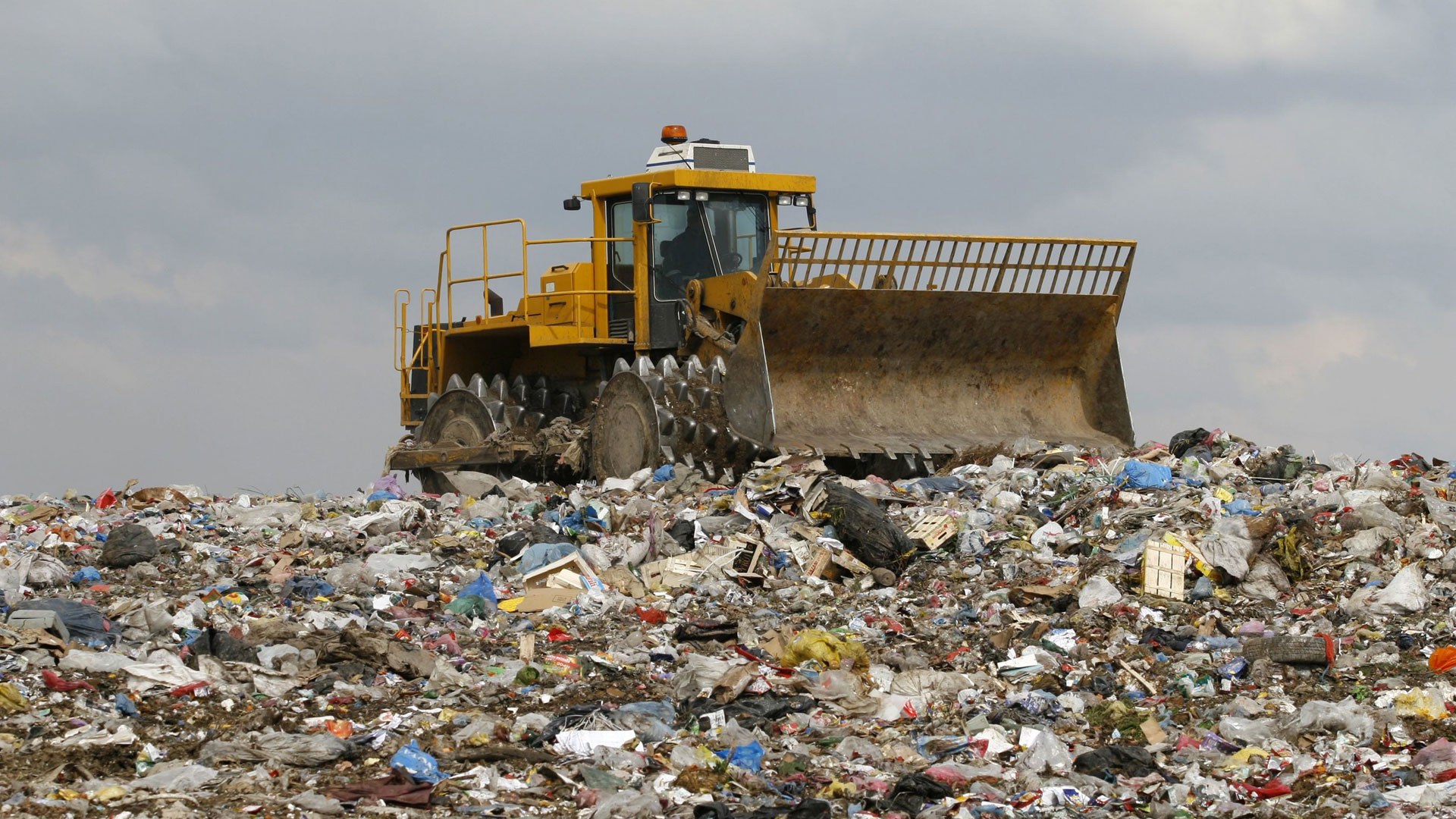
Municipal solid waste as feedstock
Waste-to-energy plant

Waste-to-Energy

Communities need reliable power and a way to stop burying valuable material. Waste-to-energy answers both — capturing the energy content of everyday waste as electricity, heat or process gas instead of sending it to a landfill. WES evaluates where the approach makes sense and engineers it to fit the project.

Advantages of a waste-to-energy system:
  • Substantially reduces the volume of waste
  • Produces heat and electricity alongside solid-waste management
  • Better sanitation and a lower risk of contamination and disease
  • Avoids potential emissions associated with landfilling

Gasification

Gasification is the process of converting carbonaceous materials — such as coal, petroleum, biomass and waste — into combustible gases (carbon monoxide and hydrogen) that ideally retain most of the energy present in the original feedstock. In practice, energy-conversion efficiencies are typically reported in the range of 70–90%, depending on the feedstock and the plant configuration.

It is achieved by thermally degrading organic materials in the absence of the air needed to support full combustion. Gasification is not a new subject: it was widely employed during the Second World War to operate vehicles and generators across Europe. Today it offers a clean route to dispose of organic waste while deriving commercial benefit from its energy content.

Where gasification fits a project, WES engineers it to convert calorific waste into a combustible syngas, a solid residue and usable energy products, with careful attention to environmental impact. WES evaluates gasification objectively, as one of the available conversion technologies, and engineers it on the owner’s behalf only where the feedstock, the site and the goals support it.

Energy Recovery

An efficient heat-recovery system captures energy from the process and puts it to use. The clean syngas that results is rich in hydrogen and carbon monoxide and can be applied in many ways:

  • Replacing fossil fuels in thermal applications
  • Generating electricity and district heat in a gas engine
  • Serving as process gas for industrial use
  • Synthesis gas for the petrochemical industry
  • Hydrogen production
  • Producing a liquid fuel, or feeding a fuel cell

Combined heat and power is the most advantageous application, reaching high overall efficiency.

Clean syngas energy recovery

Municipal Infrastructure

Growing cities face growing volumes of municipal solid waste. WES works with governments and municipalities to plan and engineer infrastructure that manages that waste responsibly while generating energy for the community — reducing dependence on landfills and turning a public cost into a public asset. Engagements can range from feasibility studies and technology evaluation through to the engineering and implementation of a complete facility.

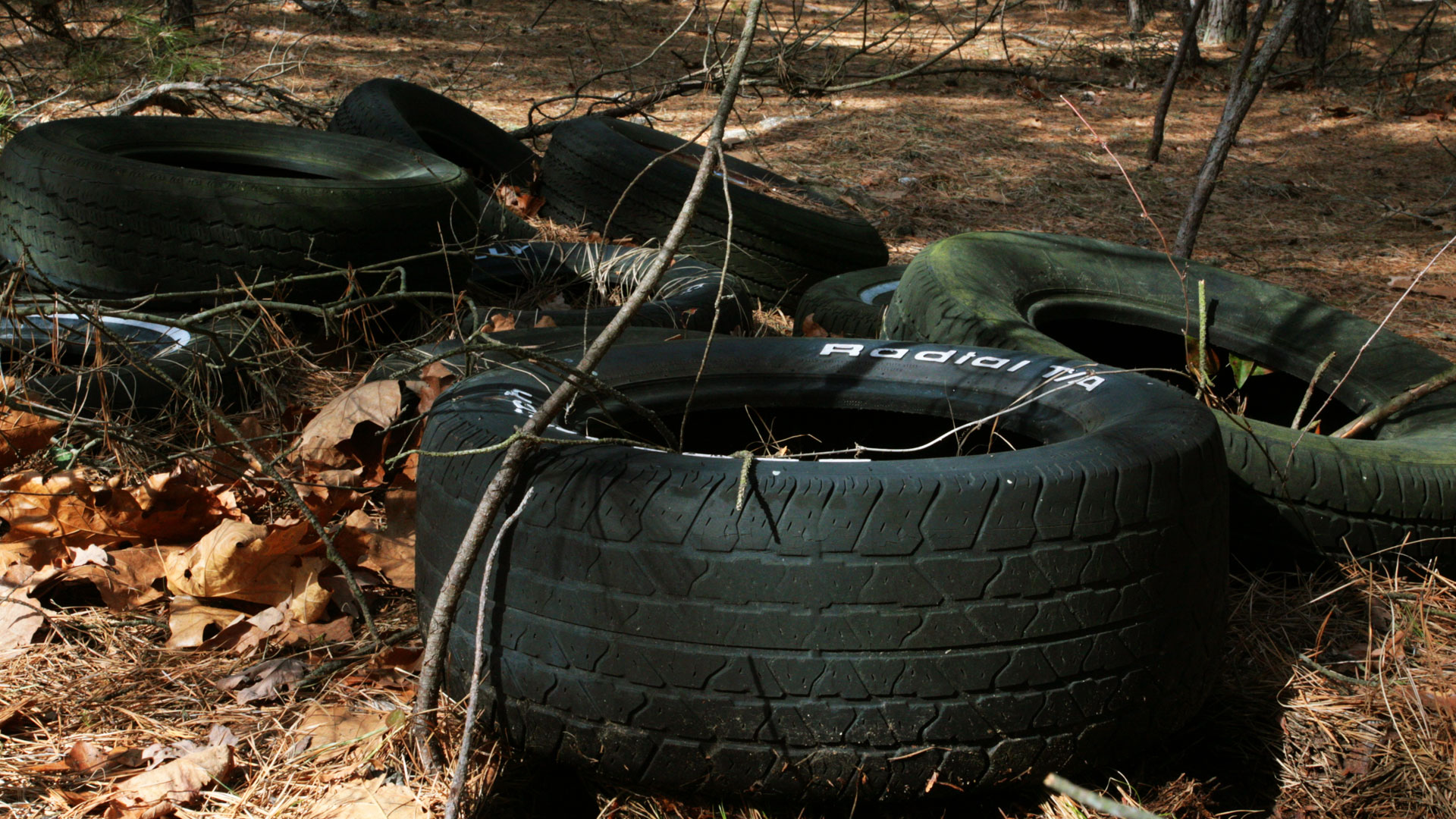
Industrial waste such as tires

Industrial Waste

Industry generates difficult waste streams — from rubber tires to biohazardous and medical waste — that are costly and hazardous to dispose of. WES engineering applies across them, scaling from large facilities processing municipal solid waste down to smaller systems, for example turning the cost of disposing of agricultural residuals into a usable form of energy.

Each stream is evaluated on its caloric content, its handling requirements and the products the client wants to recover.

Environmental Solutions

Environmental performance is engineered into the solution, not added at the end. High-temperature treatment and a multi-stage gas-cleaning system are designed to keep emissions within strict international standards, subject to local permitting, and the process is designed to recover material rather than simply destroy it:

  • High-temperature gasification is designed to break down toxic substances.
  • High-temperature treatment produces an inert solid residue that can be reused as a construction material.
  • Metals and minerals can be recovered as valuable products.
  • Multi-stage gas cleaning is designed to produce a clean, high-value syngas that can substitute for fossil fuels.
  • Dioxins and furans are broken down, and by displacing fossil fuels the process can help reduce CO2 emissions and improve the carbon footprint.
Custom engineering

Custom Project Solutions

Many projects don't fit neatly into a single category. WES combines these capabilities — and the broader engineering services of the firm — to develop solutions tailored to a specific site, feedstock and set of objectives. If you have a waste, energy or environmental challenge, we can help you evaluate the options and engineer a practical answer.

See How We Engage
See How We Engage

Frequently Asked Questions

Which waste streams can be converted to energy?

The systems WES evaluates can accept a wide range of caloric feedstocks — biomass and agricultural residuals, municipal solid waste (MSW), industrial waste such as tires, certain hazardous and specialty streams (subject to permitting) and refuse-derived fuel (RDF). Each stream is evaluated on its caloric content, its handling requirements and the products the client wants to recover, and solutions scale from large municipal facilities down to smaller systems.

How does WES decide which waste-treatment technology is right for a project?

WES treats technology selection as an engineering question, not a sales question. Through objective technology evaluation, our engineers weigh the feedstock, the site, the emissions targets, the regulations and the client's objectives, then select and adapt the process that best fits, whether that is gasification or another available conversion technology. Because WES is an independent engineering firm rather than an equipment vendor, the recommendation follows the project rather than a product.

Tell us your project objectives. We'll help determine the right engineering path.

Start with an Assessment

Every successful infrastructure project begins with the right engineering decisions. Bring us your project before you commit significant capital, select a technology, or begin procurement.

Consultations in English & Spanish · Response within one business day.