Project development is the work of moving a project from an early idea through to an execution-ready state — the point at which an owner or investor can commit capital, a lender can finance it, and a delivery team can begin. It is where a good idea either becomes a defined, viable project or is shown, early and cheaply, not to be one.
Owners and developers need this because the decisions that most shape a project's cost, risk and outcome are made at the very beginning — the concept, the technology, the scope, the site — long before detailed engineering starts. Get them right and everything downstream is easier; get them wrong and no amount of later effort fully recovers. WES leads development as an independent engineering firm — not a manufacturer, EPC contractor or technology vendor — so the concept is shaped around your outcome rather than a product someone is selling.
The best time to engage WES is at the concept stage, while every option is still open. But WES can also join a project already in development to validate its direction, or step in to recover one that has stalled. Development is one part of WES's full engineering services across the project lifecycle.
Development earns its place when an idea has to become something an owner can finance, permit and build — and the path from here to there is not yet defined. Typical triggers include:
Brought in at this point, an independent engineer can shape the concept, scope and pathway before capital is committed — while the decisions that most affect cost and risk are still cheap to change.
A clear, defensible definition of what the project is, what it produces and what it requires — the foundation everything else is built on.
A defined project scope that sets the boundaries, deliverables and interfaces — the baseline budgets, schedule and delivery are managed against.
Realistic order-of-magnitude capital cost and schedule estimates, grounded in engineering rather than optimism, so early decisions rest on sound numbers.
A staged path from concept to execution with clear decision gates — so viability is confirmed at each step before more is committed.
Identification of the environmental and regulatory approvals the project needs and a practical sequence for obtaining them.
Coordination among owners, agencies, communities and other parties whose alignment a project needs to move forward.
The independent technical basis a lender or investor needs to evaluate and fund the project with confidence.
Structured identification of the technical, cost, schedule and regulatory risks — surfaced early, while they can still be engineered out.
Independent engineering to shape and de-risk a concept before it is taken to investors or lenders.
Impartial development support for public infrastructure, backed by full bilingual (English and Spanish) capability.
Technically grounded project definition and roadmaps that stand up to public scrutiny.
Independent technical footing to evaluate a project's viability before capital is committed.
Development of generation, recovery and infrastructure projects matched to real operating needs.
Concept-to-execution development for capital projects at industrial facilities.
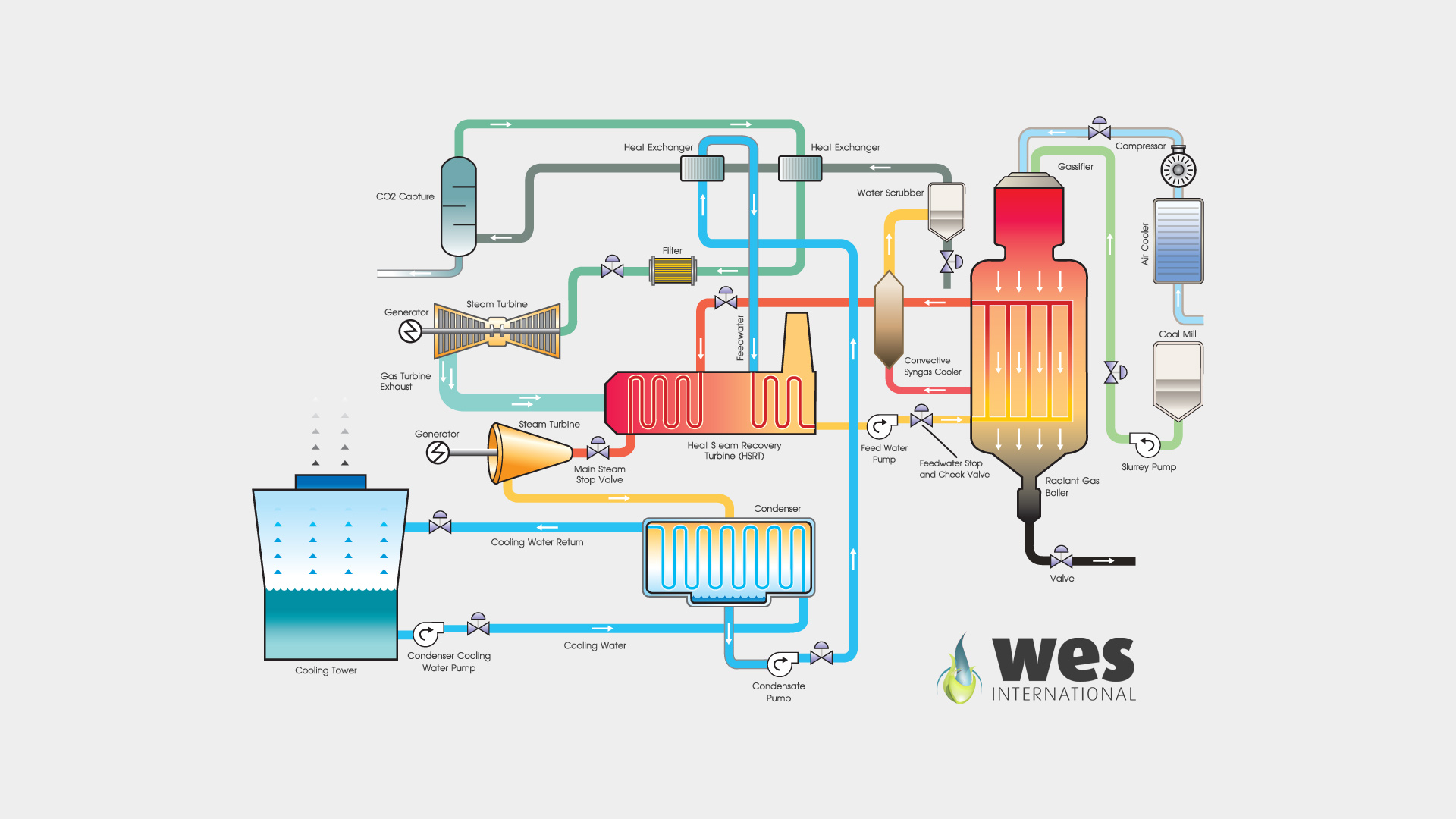
Developing waste-to-energy and energy-recovery projects around the actual waste stream, site and objectives.
Power generation, energy recovery and related utility infrastructure.
Public and industrial infrastructure projects across the Americas and the Caribbean.
Process facility development, drawing on decades of chemical and petrochemical engineering practice.
Development of manufacturing and industrial process capital projects.
Water, sanitation and wastewater infrastructure for municipal and industrial clients.
WES works with you to turn an objective into a clear, defensible project concept — what it is, what it produces, what it needs and why it makes sense. Because WES is technology-neutral, the concept is matched to your feedstock, site and goals through objective technology evaluation, not steered toward one vendor's equipment.
A concept only matters if it can be built. WES defines the scope, sets preliminary capital and schedule budgets, lays out a development roadmap and stage-gate plan, and works through the permitting, stakeholder and financing questions — so what you carry forward is a route to delivery, not just an idea on paper.
WES tests viability continuously and tells you the truth at each stage — including recommending against a project that does not work. As an independent engineering firm, its product is engineering judgment, not a plant to sell, so it has no incentive to keep a weak project alive. That candor is what protects your capital.
WES develops projects for owners and investors — it does not develop projects to own, build or supply them.
A project with fuzzy or shifting boundaries cannot be budgeted, permitted or financed with confidence. WES defines the scope early and holds it, so later decisions rest on a fixed baseline rather than a moving target.
Capital and schedule figures set too low at concept stage resurface after commitments are made, when they are far harder to absorb. WES builds preliminary budgets from an engineering basis rather than optimism, so the numbers reflect what the project will really take.
Approvals and stakeholder alignment can stall a sound project as surely as a technical flaw. WES maps the permitting pathway and coordinates the parties whose alignment the project needs, surfacing these risks while they can still be managed.
Project development is the work of moving a project from an initial concept through to an execution-ready state. It defines what the project is, confirms that it is technically and commercially viable, and sets a credible scope, preliminary capital and schedule budgets, and a development roadmap — while working through the permitting, stakeholder and financing questions that decide whether the project can actually be built. WES leads this as an independent engineering firm, not a manufacturer or EPC contractor, so the judgment is technology-neutral and accountable only to the owner's outcome.
A feasibility study answers a narrower question: is this project technically and economically viable, and which approach fits best? Project development is the broader effort that carries a viable concept forward — turning it into a defined scope, a development roadmap, budgets, a permitting pathway and the documentation needed to finance and deliver it. A feasibility study is often one step within development. If you only need the go/no-go analysis, see WES's feasibility studies.
The earlier the better. The decisions that most affect cost and risk — the concept, the technology, the scope and the site — are made early, when they are cheapest to change. Engaging WES at the concept stage means an independent engineer is shaping those decisions before capital is committed. WES can also join a project already in development to validate its direction, or step in to recover one that has stalled.
An execution-ready project: a defined concept and scope, preliminary capital and schedule budgets, a development roadmap or stage-gate plan, a permitting and regulatory pathway, the stakeholder coordination needed to proceed, and technical documentation that supports financing. In short, everything a decision-maker or lender needs to commit to delivery with confidence — or a clear, evidence-based reason not to.
By testing viability continuously rather than assuming it. As scope, budgets, technology choices and regulatory requirements come into focus, each is checked against the project's objectives and constraints. WES gives an honest go/no-go judgment at each stage — including recommending against a project that no longer works — because as an independent engineering firm its product is engineering judgment, not a plant to sell.
Development defines the project; delivery builds it. Once a project is execution-ready, WES can continue as your owner's engineer, protecting your interests through design, procurement and commissioning, and provide project management from concept through turnover. Carrying the same independent engineering team from development into delivery keeps the project's original intent intact.
None of those. WES is an independent engineering and consulting firm. It does not develop projects to own them, build them as an EPC contractor, or sell a particular technology. That independence is the point: WES's development work is technology-neutral and accountable only to the owner's outcome, so it can recommend the right path — or advise against a project entirely — without a conflict of interest.
Whatever you have. A clear statement of the problem or opportunity and your objective is enough to begin. Beyond that, anything you can share about the intended site, the feedstock or inputs, the market or offtake, the regulatory context, and rough budget and timeline helps WES tell you quickly what is realistic. None of it is a prerequisite. Most engagements begin with a WES Assessment; assessments start at $12,500, depending on project size and complexity.
Every successful infrastructure project begins with the right engineering decisions. Bring us your project before you commit significant capital, select a technology, or begin procurement.
Consultations in English & Spanish · Response within one business day.