 Feasibility
 What a Waste-to-Energy Feasibility Study Should Actually Determine
A rigorous feasibility study determines whether a project will actually work — waste, technology fit, mass and energy balance, offtake, economics and risk.
WES Knowledge Center
Evergreen engineering reference and the latest thinking on waste, energy and infrastructure projects, written by engineers with decades of real project experience.
No resources match your search. Try a different term, or start with an assessment.
Evergreen engineering guidance
Permanent reference on the technologies, methods and decisions behind waste, energy and infrastructure projects.
Gasification converts carbon-bearing waste into a combustible synthesis gas. How the process works, and the waste streams it suits.
Read the guide → Owner's engineeringAn owner's engineer represents the project owner - not a vendor or contractor - through technology evaluation, procurement and delivery.
Read the guide → Project DevelopmentFrom concept to commissioning - the phases of a waste-to-energy project and where the risks concentrate.
Read the guide → Fuels & FeedstockRefuse-derived fuel and feedstock preparation turn variable waste into a consistent fuel. When it is worth doing.
Read the guide → Waste-to-EnergyWhat waste-to-energy is, the main conversion routes, and the engineering questions that decide whether a project is viable.
Read the guide → Feasibility StudiesA rigorous feasibility study answers whether a project should be built - not just how. The questions it must resolve.
Read the guide →News & commentary
Current thinking on projects, technology and the decisions owners face — from the WES engineering team.
Feasibility A rigorous feasibility study determines whether a project will actually work — waste, technology fit, mass and energy balance, offtake, economics and risk.
 Feasibility
 The predictable pre-construction failure modes — assumed waste data, technology mismatch, unsecured offtake, a backwards financial model, no independent review.
 Technology selection
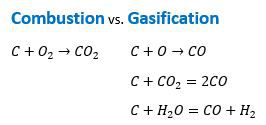
 There is no best waste-to-energy technology — only the right one for a given waste stream. How feedstock properties and scale decide.
 Owner's engineering
 Why and how a municipality should hire an independent owner's engineer — the role, the timing, the scope, and how it protects public money.
Independent, technology-neutral engineering — from the first feasibility question through commissioning. Consultations in English & Spanish · Response within one business day.
Start with an Assessment