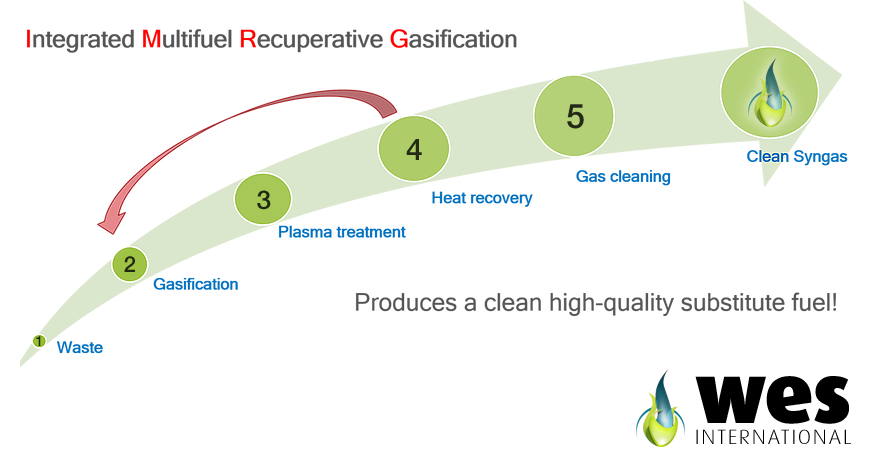
Process engineering is the discipline of designing and improving the process systems at the heart of an industrial facility — the sequence of physical and chemical operations that turn raw feedstock into product, power or treated output. It defines how material and energy move through a plant, sizes the equipment that does the work, and specifies the piping, instrumentation and controls that make it run safely and predictably.
It matters because the process is where a facility either earns its economics or loses them. Throughput, yield, energy consumption, reliability and safety are all decided by process-engineering choices — and a choice made on a marketing figure instead of a mass and energy balance is expensive to unwind once steel is in the ground. Engage WES when you are conceiving a new facility, expanding or debottlenecking an existing one, evaluating a process route, or preparing a design package for procurement — and the earlier the better, while the numbers can still be changed on paper. A WES assessment starts at $12,500.
Process engineering earns its place at specific moments in a facility's life — when a process decision is about to shape what the plant can do, and getting it wrong is expensive to unwind. Typical triggers include:
Engaged early, these choices are settled on paper while the numbers can still be changed. Left until steel is in the ground, they are far harder and more expensive to correct.
Process design and process flow diagrams that define the sequence of operations and how material and energy move through the plant.
The quantitative backbone of the design — what goes in, what comes out, and how much energy each step demands or recovers.
P&IDs defining the plant's piping, instruments, valves and control loops in the detail needed to build and operate it.
Equipment sized and specified in enough detail to procure, fabricate and hold a supplier to.
Mechanical and plant design that turns the process into a buildable, maintainable facility on a real site.
A distribution/control system (DCS) philosophy defining how the plant is monitored, controlled and kept within safe operating limits.
Process optimization and debottlenecking studies that recover throughput, yield, energy or reliability from an existing facility.
Owners and operators improving yield, capacity, energy use or reliability at an existing process plant — or engineering a new production line.
Public bodies engineering the process systems behind waste-to-energy, water and wastewater, and energy-recovery facilities.
Developers who need an independent process design and a defensible set of numbers before committing capital or selecting a technology.
Process systems that convert municipal and industrial waste into energy and recovered products.
Chemical and petrochemical process design, a founding background of WES's leadership.
Pharmaceutical and biotechnology process facilities, from design through qualified operation.
Refinery and petrochemical process systems and energy-conversion units.
Industrial and process manufacturing lines — capacity, yield and reliability.
Process and utility systems for food and beverage production facilities.
Treatment process systems for potable water, wastewater and industrial effluent.
WES brings decades of hands-on process, mechanical and plant design grounded in real operating facilities — not textbook models. The firm's leadership built its careers on process, plant and project engineering across the chemical, petrochemical, pharmaceutical and biotechnology industries, and carried operating petrochemical and pharmaceutical facilities from mechanical completion through qualified operation. That is process engineering proven where it counts: on a running plant.
Because WES is an independent firm — not a manufacturer, not an EPC contractor, and not tied to any single technology — its process work is independent engineering judgment, accountable only to your outcome. WES designs the process that fits your feedstock, site and goals, and tells you plainly what the numbers support. That judgment carries through the wider engineering lifecycle, from technology evaluation to commissioning & start-up and overall project management.
A process designed around an assumed feedstock rarely survives contact with the real one. When the composition, calorific value or variability of the actual input differs from the design basis, throughput and yield fall short and equipment runs outside its intended envelope. WES designs the process around your feedstock and site, and adapts an existing process when the feedstock changes.
When a design rests on figures taken from a vendor's brochure rather than a worked mass and energy balance, the shortfall only appears once steel is in the ground — where it is expensive to unwind. WES builds the mass and energy balances that are the quantitative backbone of the design, so the numbers are proven on paper before capital is committed.
Recovering lost throughput, yield, energy or reliability from a plant that must keep running is harder than designing a new one. WES conducts optimization and debottlenecking studies that isolate where capacity is being lost and identify targeted changes — often to a single unit operation, control strategy or piece of equipment — that avoid the cost and downtime of a full shutdown or rebuild.
Process engineering is the discipline of designing and improving the process systems at the heart of an industrial facility — the sequence of physical and chemical operations that turn raw feedstock into product, power or treated output. It defines how material and energy move through a plant, sizes the equipment that does the work, and specifies the piping, instrumentation and controls that make it run safely and predictably.
Typical deliverables include process design and process flow diagrams (PFDs), mass and energy balances, piping and instrumentation diagrams (P&IDs), equipment sizing and specifications, mechanical and plant design, a distribution/control system (DCS) philosophy, and process optimization or debottlenecking studies. WES scopes the deliverable set to the stage of your project, from an early concept to a detailed design package.
Yes. Much of process engineering is applied to plants that already run. WES conducts optimization and debottlenecking studies that find where throughput, yield, energy use or reliability are being lost, and identify the targeted changes — often to a single unit operation, control strategy or piece of equipment — that recover capacity without the cost and downtime of a full rebuild.
WES applies process engineering across waste-to-energy, chemical, pharmaceutical, oil and gas, manufacturing, food processing, and water and wastewater. The firm's leadership built its careers on process, plant and project engineering across the chemical, petrochemical, pharmaceutical and biotechnology industries, and that grounding carries into every sector WES serves.
They are stages of the same engineering lifecycle. Technology evaluation selects the right process route for your feedstock and goals; process engineering designs and optimizes the systems that realize it; and commissioning and start-up support proves the plant runs to specification. WES can be engaged for any one stage or carry a project across all of them.
Yes. Piping and instrumentation diagrams and equipment sizing and specifications are core process-engineering deliverables. WES produces P&IDs that define the plant's piping, instruments, valves and control loops, and equipment specifications detailed enough to procure, fabricate and hold a supplier to.
Whatever you have of: the feedstock or input and its characterization, the product or output you need, throughput and capacity targets, the existing process or equipment if you are improving a facility, site and utility constraints, and your objective and stage. None of it is a prerequisite — a process problem and a clear goal are enough to start a useful conversation.
No. WES is an independent engineering and consulting firm — its product is independent engineering judgment, and technology is only a tool. Because WES does not manufacture equipment, sell a single technology or bid to build the plant, its process design and its recommendations are technology-neutral and accountable only to your outcome.
Every successful infrastructure project begins with the right engineering decisions. Bring us your project before you commit significant capital, select a technology, or begin procurement.
Consultations in English & Spanish · Response within one business day.