Can this project meet its environmental obligations?

Environmental & sustainability consulting is the engineering that answers that question. It is the structured work of testing a waste-to-energy, municipal or industrial project against the regulations it must satisfy and the environmental outcomes it is meant to deliver — compliance and permitting, emissions, waste reduction, circular-economy strategy, landfill diversion, water and wastewater, and carbon reduction — and turning those requirements into engineering decisions rather than intentions.

Organizations require it for two reasons that are only getting stronger. The first is compliance: environmental permits and regulations decide whether a project can be built and operated at all, and non-compliance discovered late is expensive and hard to reverse. The second is circular-economy pressure — from regulators, communities and boards — to reduce waste, divert it from landfill and account for carbon, on evidence rather than assertion. A project that ignores either can be technically sound and still fail.

The right time to engage WES is early — while the environmental objectives and constraints can still shape the design, the site and the technology, rather than being retrofitted onto decisions already made. Environmental & sustainability consulting is one of WES's core engineering services, and on the same project it commonly runs alongside feasibility studies, technology evaluation and process engineering.

Start with an Assessment

When Environmental & Sustainability Consulting Is Needed

Environmental and sustainability engineering earns its place at a specific moment — when an environmental outcome has to be secured on evidence and the requirement can still shape the design, the site or the technology. Typical triggers include:

  • Environmental compliance or permitting must be secured before a project can proceed.
  • A waste-reduction or circular-economy strategy is required and has to hold up under scrutiny.
  • Carbon reduction must be engineered into a capital project rather than offset afterward.
  • Water or wastewater infrastructure must be engineered for a community or a facility.
  • Landfill diversion must be analyzed against the actual composition of the waste stream.
  • A sustainability plan needs a credible engineering basis rather than an assertion.

Engaged at this stage, the environmental objectives still shape the project. Introduced after decisions are locked in, they can only be retrofitted onto commitments the owner already carries.

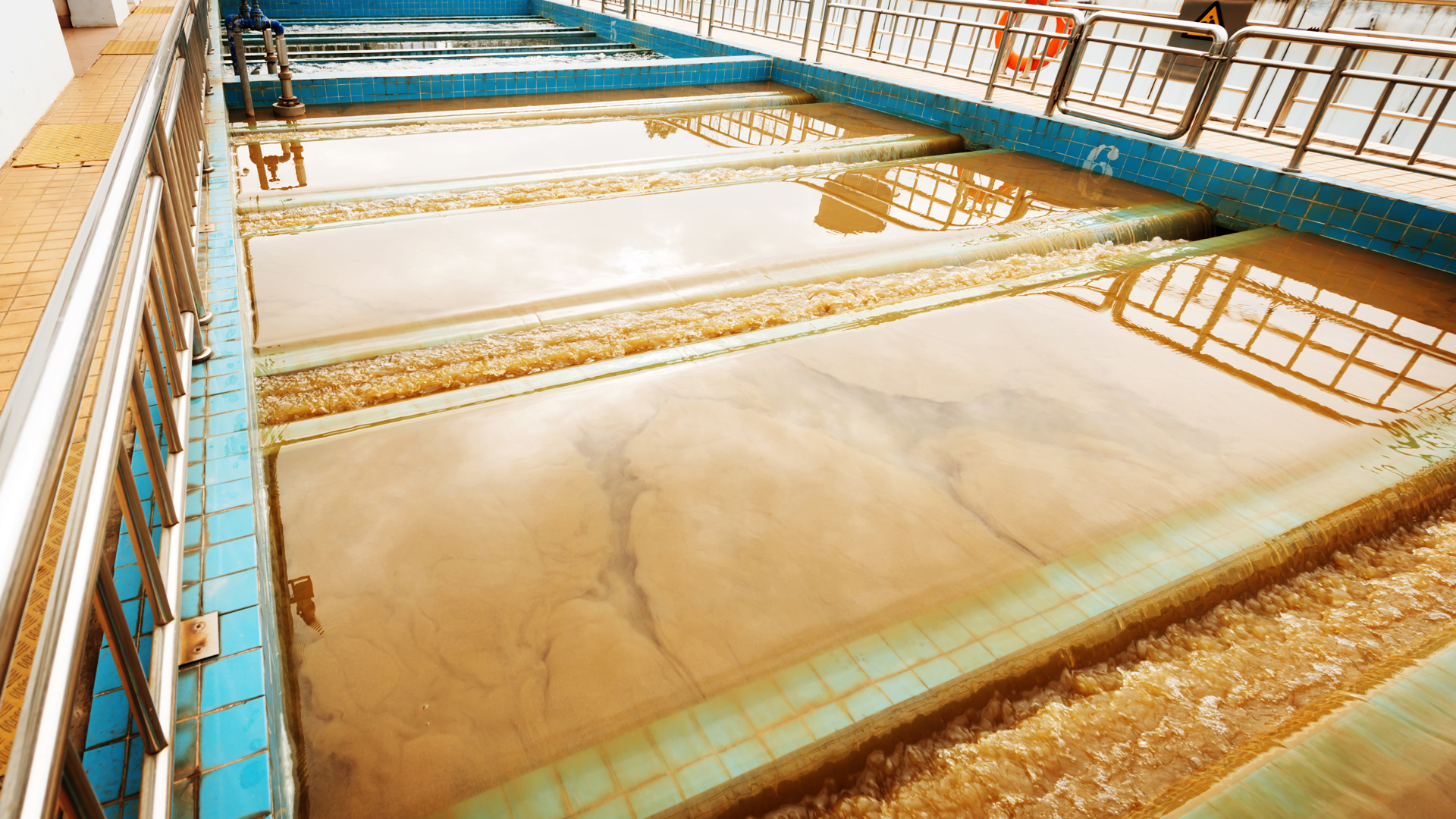
Environmental and municipal water infrastructure engineering

Typical Deliverables

Environmental & sustainability work is scoped to the project and its regulatory context. A typical engagement produces some or all of the following.

Environmental Compliance Review

A structured review of the project against the environmental regulations that apply to it, identifying where it complies and where it does not while the gaps can still be closed on paper.

Permitting & Regulatory Strategy

Identification of the permits and approvals a project needs and a strategy for obtaining them, so regulatory requirements are designed in from the start rather than discovered late.

Emissions Assessment

Assessment of the emissions a project generates or displaces, evaluated against its environmental targets and the applicable limits.

Waste-Reduction & Circular-Economy Strategy

A strategy to move material up the hierarchy — reduction and reuse, then recovery and diversion, then energy recovery for the residual — built on measured waste flows rather than assertion.

Landfill-Diversion Analysis

Analysis of how much waste can be diverted from landfill, by which routes and at what cost, so diversion targets rest on the actual composition of the waste stream.

Water & Wastewater Engineering

Engineering for the water, sanitation and wastewater aspects of a project, drawing on the team's long municipal environmental-infrastructure experience.

Sustainability & Carbon-Reduction Planning

A plan that engineers carbon reduction into the project — through diversion, energy recovery and lower-impact processes — and treats it as a measured criterion alongside cost and performance.

Typical Clients

WES advises the organizations that carry environmental obligations and the capital decisions that go with them.

Municipalities

Local governments responsible for solid waste, water and sanitation, needing independent environmental engineering to meet regulations and diversion targets on public capital.

Government Agencies

National and regional agencies setting or meeting environmental programs, where a defensible compliance and sustainability basis is required before a project proceeds.

Utilities

Power, water and infrastructure utilities balancing energy recovery, emissions and environmental compliance against their operating and offtake requirements.

Industrial Companies

Industrial organizations managing emissions, waste and water on site, and evaluating lower-impact processes and energy recovery against cost and compliance.

Private Developers

Developers who must demonstrate environmental compliance and a credible sustainability case before committing to a site, a technology or a financing round.

Industries Served

WES applies environmental and sustainability engineering across the sectors where its leadership has direct experience.

Waste-to-Energy

Energy recovery from residual municipal and industrial waste, evaluated as part of a wider waste-reduction and diversion strategy.

Water & Wastewater

Water, sanitation and wastewater infrastructure, an area of the team's long municipal environmental experience.

Municipal Infrastructure

Integrated solid waste, water and sanitation systems, grounded in more than thirty years advising municipalities on environmental infrastructure.

Manufacturing

Industrial and manufacturing facilities managing emissions, waste and water, and evaluating lower-impact processes.

Chemical

Process and petrochemical facilities, drawing on leadership experience carrying such plants to qualified operation.

Food Processing

Food-processing operations with organic waste, water and effluent streams suited to reduction, diversion and energy recovery.

How WES Adds Value

WES approaches environmental and sustainability work as an independent engineer. It is an engineering and consulting firm — not a plant manufacturer and not an EPC contractor — and it does not sell or license any particular conversion technology. That independence means its environmental judgment is directed at the outcome the project has to achieve, not at justifying a piece of equipment someone is trying to sell.

The firm pairs environmental engineering with deep municipal-infrastructure experience. Director of Environmental Infrastructure Freddy Alberto Uribe Roldán has more than thirty years advising municipalities on environmental infrastructure — water, sanitation and integrated solid waste systems — and that public-sector experience grounds how WES reads compliance, permitting and the realities of managing waste and water for a community. The team's licensed engineering leadership, including a Professional Engineer (PE) and a LEED Accredited Professional, brings the same standard to industrial and infrastructure projects.

Across waste and energy, WES looks for the lower-impact approach — reducing and diverting waste before treating it, recovering energy from the residual fraction rather than landfilling it, and weighing carbon alongside cost and performance. Where the evidence supports a course of action it says so and shows why; where it does not, it is free to advise against it. The product is independent engineering judgment. Technology is only a tool.

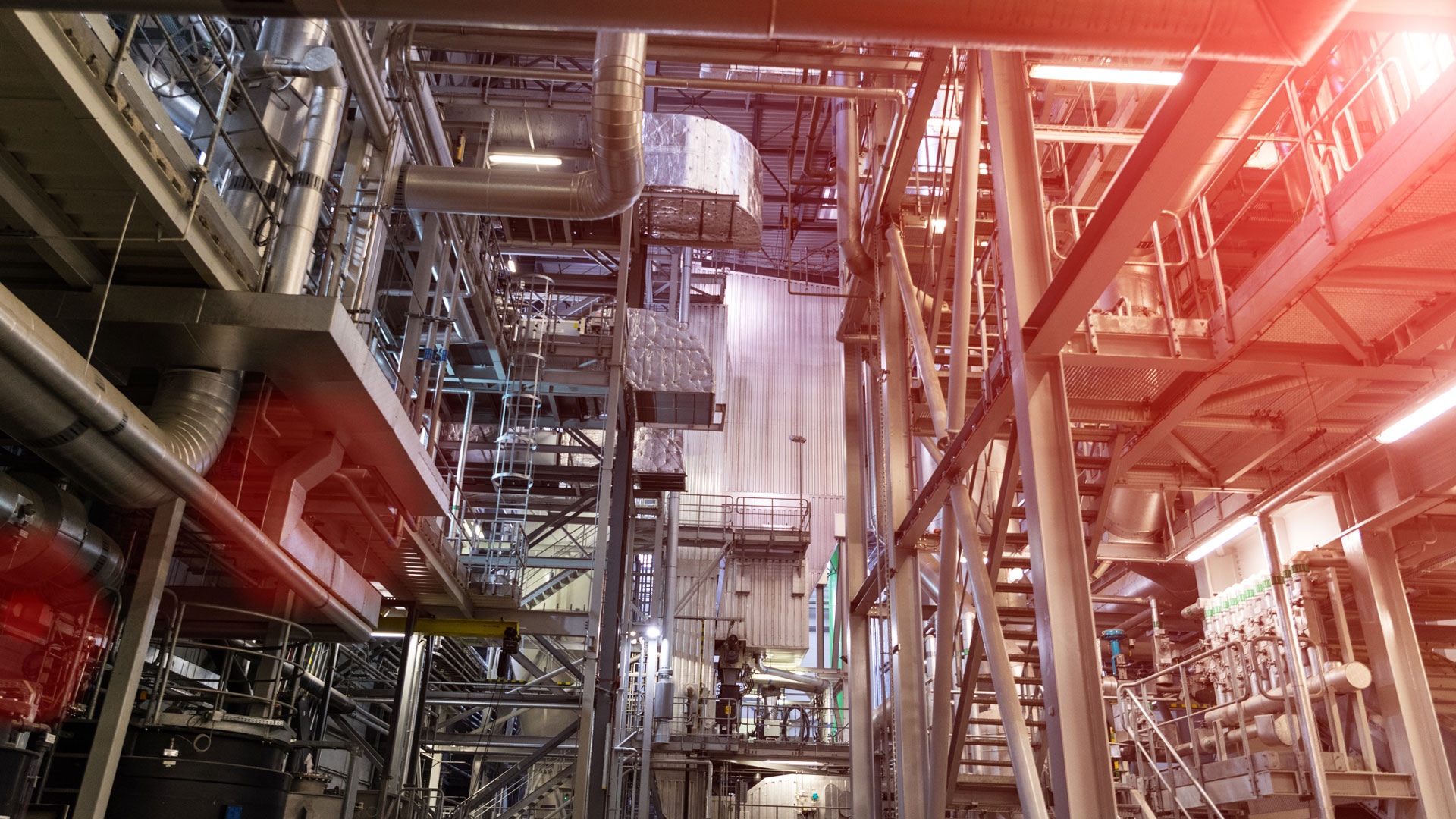
Independent environmental and sustainability engineering review

Common Challenges

Environmental and sustainability work succeeds or fails at three recurring points. This is where independent engineering earns its fee.

Permitting and regulatory risk

Environmental permits and regulations decide whether a project can be built and operated at all, and non-compliance discovered late is expensive and hard to reverse. WES reads permitting and compliance as an independent engineer, grounded in the team's more than thirty years advising municipalities on environmental infrastructure — water, sanitation and integrated solid waste — so regulatory requirements are designed in from the start rather than discovered after commitments are made.

Claims versus measured impact

The gap between sustainability claims and measured impact is where credibility is lost. Reduction, diversion and carbon goals are easy to assert and hard to substantiate. WES treats them as engineering questions and measures the actual waste, water and emission streams a project generates, so the targets rest on evidence. As an independent firm — not a plant manufacturer or EPC contractor — its judgment is directed at the environmental outcome, not a technology sale.

Circular economy in a real project

Integrating circular-economy and carbon reduction into a real capital project is harder than stating the ambition, because it has to survive contact with an actual budget, site and technology. WES engineers reduction, diversion and carbon into the project itself — weighed alongside cost and performance — so the sustainability plan has a credible engineering basis rather than being retrofitted onto decisions already made.

Frequently Asked Questions

Straight engineering answers to the questions organizations ask about environmental and sustainability work.

What does environmental & sustainability consulting cover?

It covers the environmental and sustainability engineering that surrounds a waste-to-energy, municipal or industrial project: environmental compliance review, permitting and regulatory strategy, emissions assessment, waste-reduction and circular-economy strategy, landfill-diversion analysis, water and wastewater engineering, and sustainability and carbon-reduction planning. WES delivers this as an independent engineer — not a plant manufacturer or EPC contractor — so the work is directed at the environmental outcome rather than at selling any particular technology.

How does WES approach the circular economy?

As an engineering question before a branding one. A circular-economy strategy only holds up if the material flows, the waste composition and the economics are real, so WES starts by measuring what a community or facility actually generates, then looks for the lowest-impact route for each stream — reduction and reuse first, material recovery and diversion next, and energy recovery for the residual fraction that cannot be economically recycled. The goal is to move material up that hierarchy on the basis of engineering and cost evidence, not to label an existing plan as circular.

How does waste-to-energy fit a sustainability strategy?

Waste-to-energy is the treatment of last resort for the residual waste that cannot be prevented, reused or economically recycled — the fraction that would otherwise go to landfill. Used that way it supports a sustainability strategy by diverting waste from landfill and recovering energy from it, rather than competing with reduction and recycling. WES evaluates it on that basis: whether energy recovery is the right route for a given residual stream, matched to the actual waste composition and the local energy or offtake context, and weighed against the alternatives on engineering criteria rather than vendor claims.

Can you help with environmental permitting and compliance?

Yes. WES reviews a project against the environmental regulations that apply to it, identifies the permits and approvals it will need, and helps structure a regulatory strategy so compliance is designed in from the start rather than discovered late. This draws on Director of Environmental Infrastructure Freddy Alberto Uribe Roldán, who has more than thirty years advising municipalities on environmental infrastructure — water, sanitation and integrated solid waste systems — and on the licensed engineering leadership within the team.

How do you approach carbon reduction on a capital project?

By engineering it into the project rather than offsetting it afterward. WES assesses where the emissions in a project actually come from — the waste being managed, the energy it consumes or displaces, and the process itself — and looks for lower-impact options: diverting waste from landfill, recovering energy that would otherwise be lost, and selecting processes and technologies with a lower environmental footprint. Carbon reduction is treated as one of the criteria the engineering decision is measured against, alongside cost, performance and compliance.

Do you provide water and wastewater engineering?

Yes. Water, sanitation and wastewater are part of WES's environmental infrastructure work and an area of the team's long municipal experience — Freddy Alberto Uribe Roldán has advised municipalities on water, sanitation and integrated solid waste systems for more than thirty years, and the firm's licensed engineering leadership includes direct water-infrastructure experience across the United States, Puerto Rico and the Caribbean. WES applies that experience to the water and wastewater aspects of environmental and municipal-infrastructure projects.

How does this relate to feasibility and technology evaluation?

They are complementary parts of the same engagement. Environmental and sustainability consulting frames the environmental objectives, constraints and compliance requirements a project must meet. A feasibility study then tests whether a specific project is technically sound and economically viable within those constraints, and technology evaluation screens candidate technologies against them. WES can carry a project across all three or be engaged for any one, because the underlying product is the same independent engineering judgment applied at a different stage.

What does environmental & sustainability consulting cost?

It depends on the scope — the regulatory context, the number of waste or emission streams involved, and how much data must be gathered before analysis can begin — so WES scopes and prices each engagement individually. Many clients begin with an assessment, which starts at $12,500 and frames the environmental problem before a fuller scope of work is defined. WES works in English and Spanish and serves clients across the Americas and the Caribbean.
Build environmental compliance into your project from the beginning.

Discuss Your Sustainability Objectives

Every successful infrastructure project begins with the right engineering decisions. Bring us your project before you commit significant capital, select a technology, or begin procurement.

Consultations in English & Spanish · Response within one business day.